


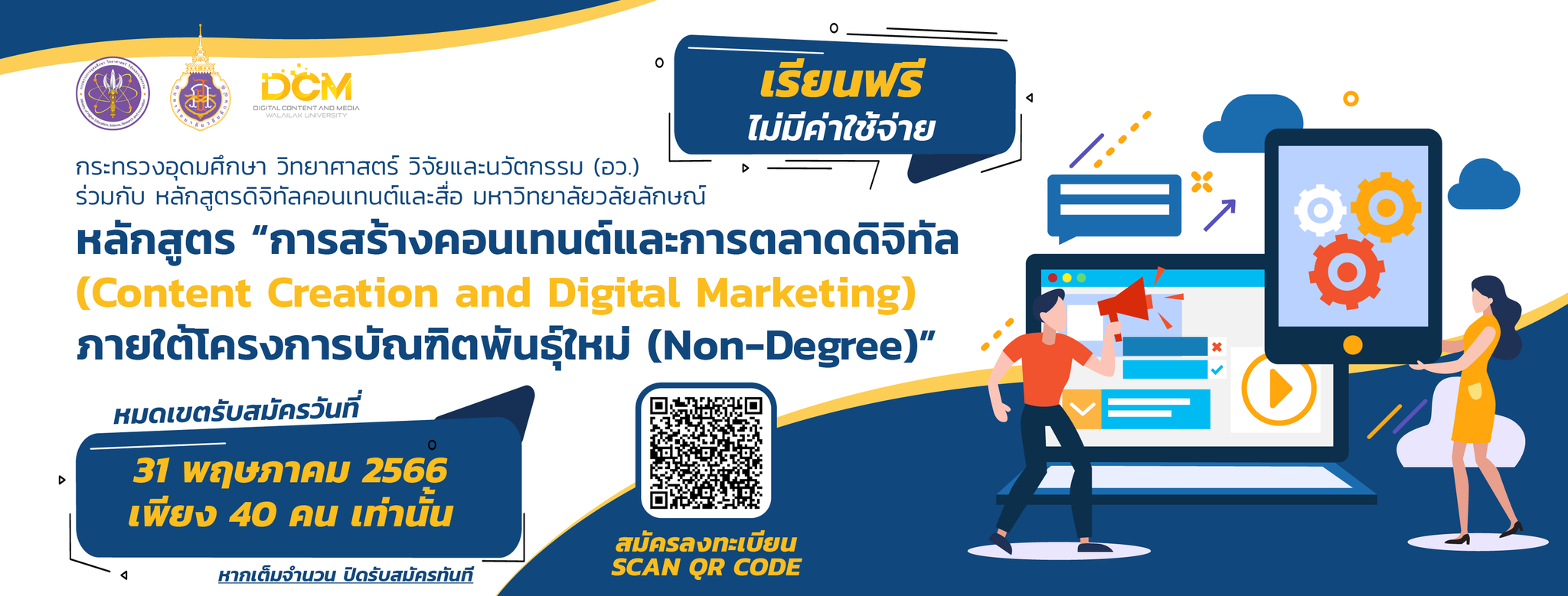
From November 2023 to March 2024, the Digital Content and Media Program, under the School of Informatics, conducted the “Content Creation and Digital Marketing” course as part of the New Generation Graduate Program (Non-Degree). This course was specifically designed to develop and enhance the skills and competencies of individuals, both within and outside the academic community, who are eager to build careers in the growing digital economy. The course aimed to create a workforce equipped with advanced knowledge and practical skills in the areas of digital content creation and marketing, which are crucial in today’s technology-driven market. By fostering a culture of lifelong learning, the program not only empowered participants with the skills necessary to secure stable livelihoods but also encouraged continuous personal and professional development.
The course was attended by over 40 participants, most of whom were individuals from outside the university who were keen to enhance their expertise in marketing and media production. These participants were particularly interested in learning techniques to “upskill” in areas that would enable them to keep pace with the rapidly evolving digital landscape. The program provided this opportunity free of charge, making it accessible to a wider audience and encouraging individuals from various backgrounds to participate. The classes were held at Walailak University, specifically in the Informatics Laboratory and General Education Building 6, where students could engage in both theoretical and practical learning sessions.
The “Content Creation and Digital Marketing” course was designed with a clear objective: to provide participants with the tools and knowledge necessary to develop and grow their own small businesses. The course organizers recognized the increasing importance of digital platforms in business operations, and they sought to equip participants with the necessary skills to leverage these platforms effectively. This objective was divided into three primary areas of focus, aimed at different types of learners:
- Enhancing Existing Professions:
Many participants in the course were individuals who were already engaged in a profession but were looking to expand their skills to better adapt to the changing demands of the market. These individuals sought to incorporate digital marketing strategies and content creation into their current jobs, whether in sales, marketing, or customer service roles, to improve their overall performance and contribute to the growth of their organizations. - Supplementing a Regular Job:
Another group of participants included those who were employed in full-time positions but wanted to develop skills in digital content and marketing to earn supplemental income. The flexibility of digital marketing and content creation allows individuals to work on freelance projects or manage side businesses while maintaining their regular jobs. This group found the course particularly beneficial, as it provided them with the practical knowledge needed to balance both roles effectively. - Starting a New Career or Changing Professions:
The third group consisted of individuals looking to either start a completely new career in digital marketing or content creation or change professions entirely. The course was an opportunity for these individuals to build foundational skills in a growing field and potentially launch new entrepreneurial ventures. The course provided them with comprehensive training that included everything from basic marketing principles to advanced online sales and content creation techniques. - In order to achieve these objectives, the course was divided into three comprehensive modules:
### Module 1: Digital Marketing
The first module focused on digital marketing and began by introducing participants to basic marketing concepts. This foundational knowledge was critical, as it laid the groundwork for understanding how to apply marketing strategies in a digital context. Topics covered included market analysis, identifying the unique selling points of products and services, and developing marketing plans tailored to online platforms. Once the participants had a solid understanding of marketing principles, the course shifted to practical applications, such as using popular online marketing tools.
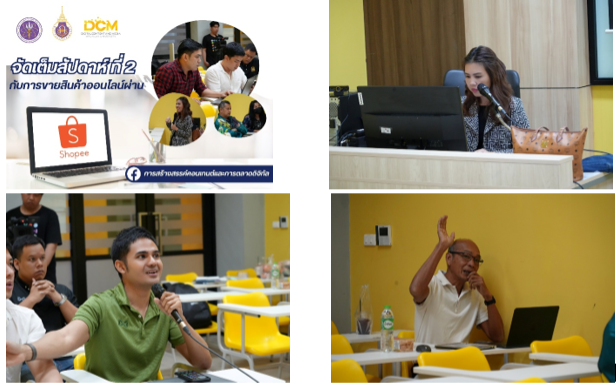
One of the key tools introduced in this module was TikTok affiliate marketing. Participants learned how to create engaging content on TikTok and incorporate affiliate marketing strategies to promote products. They practiced setting up online stores, adding product links, and generating sales through social media platforms. The course also explored Shopee Seller Center, a comprehensive e-commerce tool that allows individuals to set up online stores, manage products, and enhance product visibility through features like product reviews, pricing strategies, and multimedia content such as images and videos. By the end of this module, participants were well-versed in using online marketing platforms to promote products and services effectively.
### Module 2: Writing Digital Content
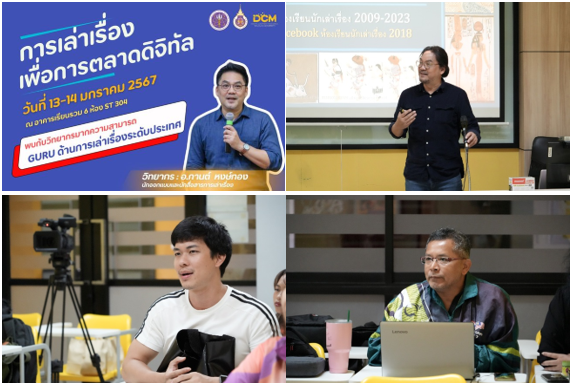
The second module focused on digital content writing, which is a critical skill for successful online marketing. This module built upon the knowledge gained in the first module, particularly in terms of how to present products and services through engaging and persuasive narratives. Participants learned the art of storytelling and how to create content that resonates with target audiences. The goal of this module was to help participants craft compelling stories around their products that would not only attract customers but also encourage repeat business and foster brand loyalty.
Through a series of practical exercises, participants explored various content formats, such as blogs, social media posts, and product descriptions, to see how effective content can drive sales and increase customer engagement. This module also emphasized the importance of creating a brand voice that aligns with the values and identity of the business, thereby enhancing its overall appeal.
### Module 3: Building Channels for Online Marketing
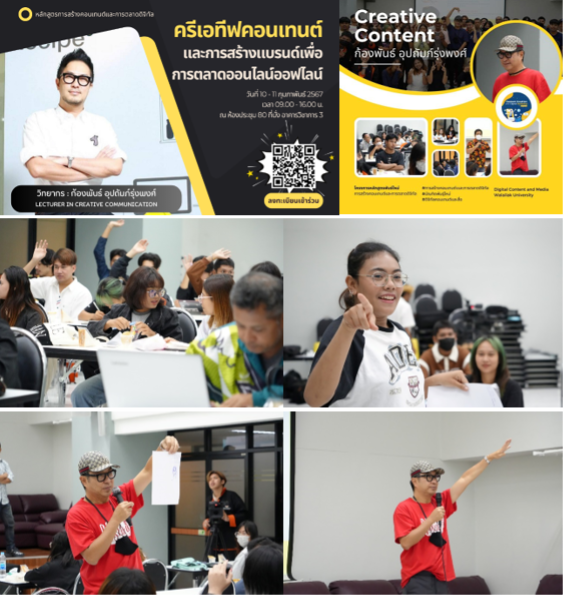
The final module was dedicated to channel development and focused on integrating the skills learned in the previous modules into a cohesive digital marketing strategy. Participants learned how to build and manage multiple online channels, from social media accounts to e-commerce websites, ensuring that their products and services were visible across a range of platforms. This module also emphasized the development of presentation skills, with a focus on personal branding and building a trustworthy online presence.
In this module, participants practiced creating videos and other multimedia content that highlighted the unique features of their products, while also learning how to present themselves confidently and professionally in front of a camera. Personal branding, an important aspect of online marketing, was emphasized to ensure that participants could build a memorable and credible online identity for their businesses.
Each module was delivered by expert instructors who combined theoretical knowledge with practical, hands-on experience. The course was structured to accommodate a mix of online and onsite sessions, with classes held on weekends to ensure flexibility for working professionals. Participants had the opportunity to engage in both individual and group activities, allowing them to apply their newly acquired skills in real-world scenarios.
In addition to the coursework, the program developed a knowledge repository to serve as an ongoing resource for participants. This repository included a collection of infographics, motion graphics, and educational videos that participants could access at any time. This initiative was part of the program’s commitment to promoting lifelong learning and was aligned with the Sustainable Development Goals (SDGs), particularly Goal 4, which focuses on ensuring inclusive and equitable quality education and promoting lifelong learning opportunities for all.
The “Content Creation and Digital Marketing” course not only equipped participants with valuable skills but also created a supportive learning environment where individuals could collaborate and share their experiences. As a result, the program contributed to the development of a skilled and resilient workforce capable of thriving in the digital economy.